Home Battery Installation & G98: UK Guide
Installing a home battery in the UK involves more than simply choosing the right system. The installation method, electrical connection and Distribution Network Operator (DNO) requirements can vary depending on the battery and how it is configured.
Many home battery systems need to be installed and hardwired by a suitably qualified electrician, while grid-connected systems may also need to meet G98 or G99 requirements and be notified to, or approved by, your local DNO.
This guide explains the key UK installation requirements, what G98 and G99 mean, and the important steps to consider before installing a home battery storage system.
01 — How Is a Home Battery Connected?
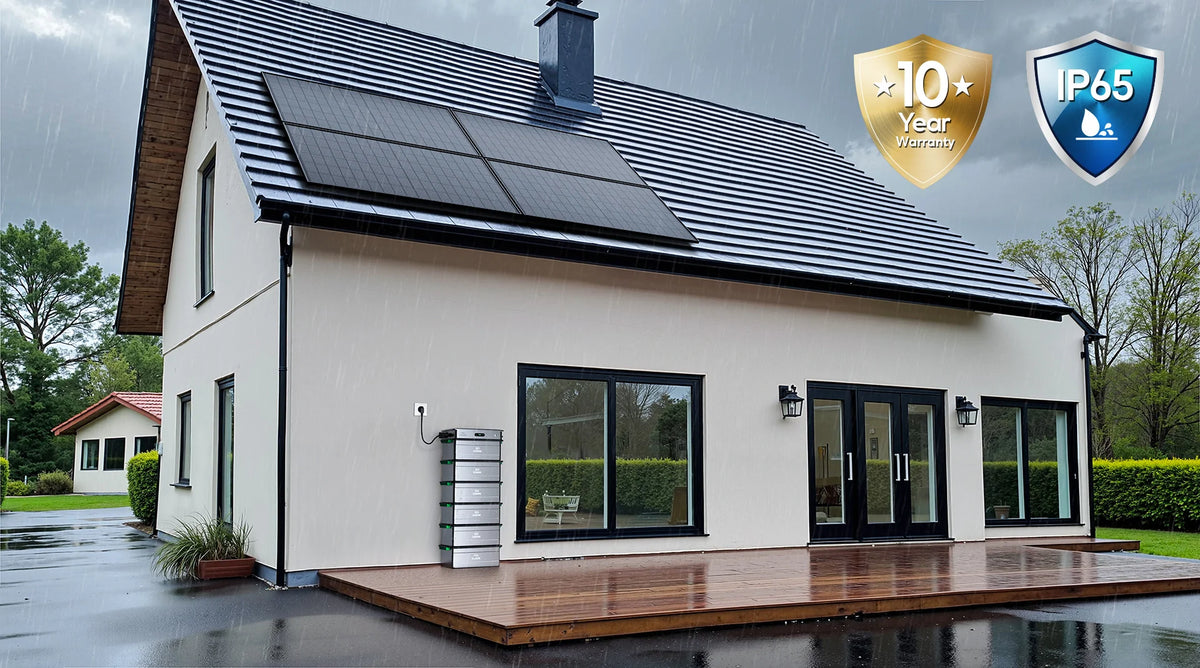
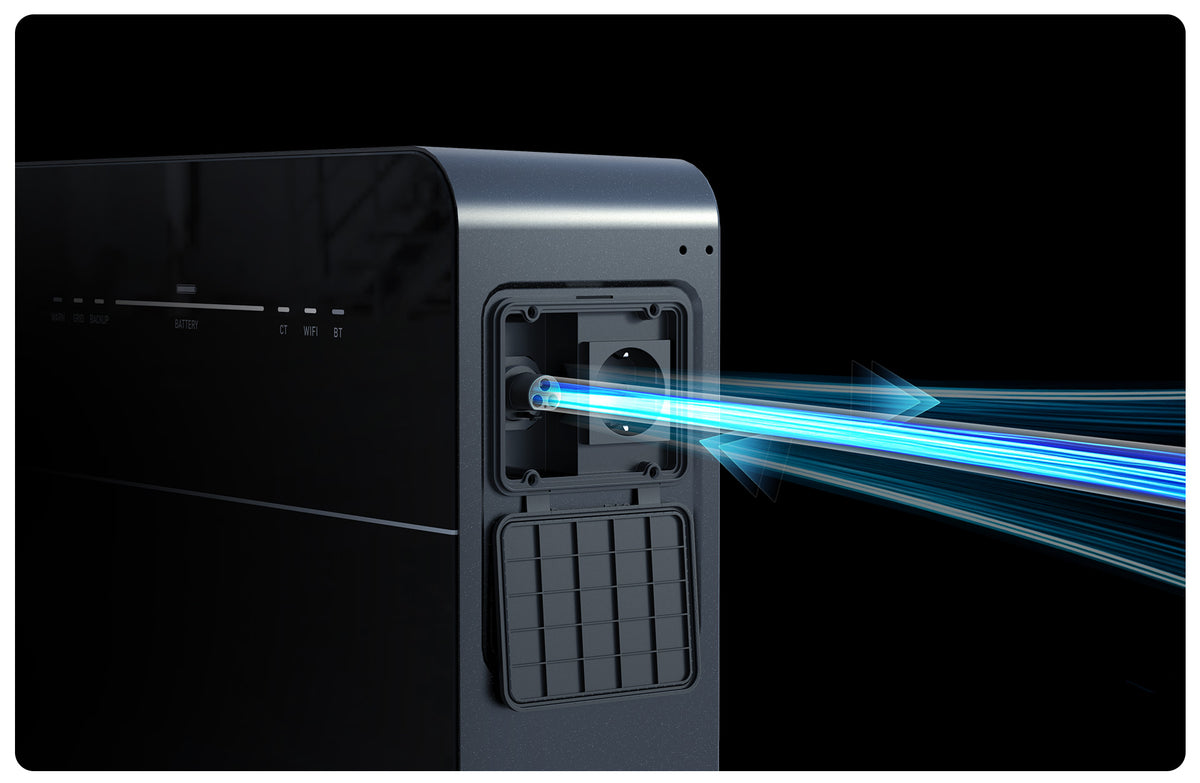
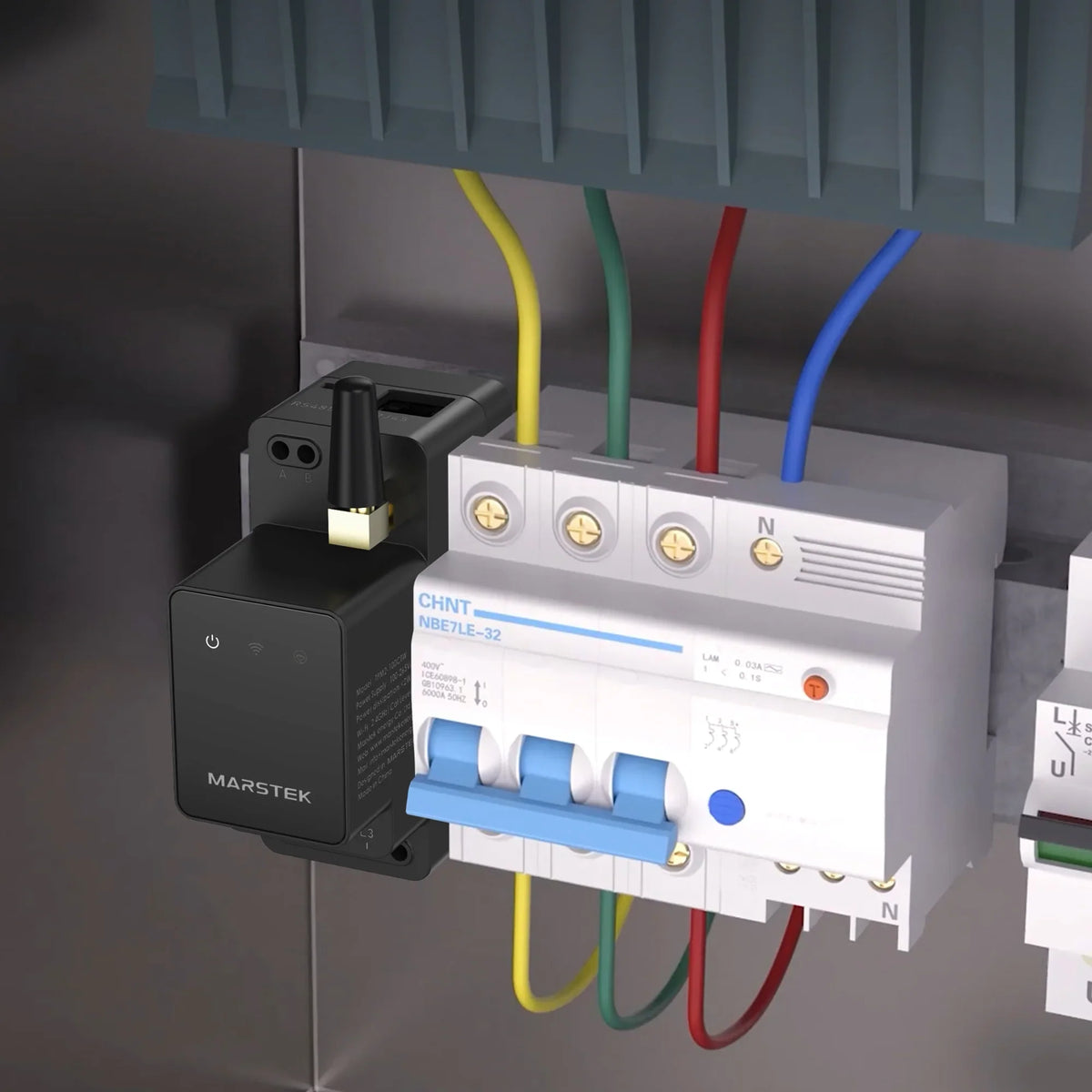
A home battery needs to be connected to your home's electrical system so that stored energy can be used to help power your home. In the UK, this will typically mean a dedicated electrical connection installed with the appropriate isolation and protection.
In much of Europe, some newer home batteries are designed to connect through a dedicated plug-and-socket arrangement. We hope the UK will move towards making similarly simple battery installations possible in the future.
For now, however, plug-in battery storage does not have the same simplified UK route that qualifying plug-in solar now has. A home battery supplying electricity into your home's electrical installation will typically require a dedicated circuit with appropriate electrical protection, installed by a suitably qualified electrician
Although this makes installation less straightforward than simply plugging a battery into a household socket, it can have an important advantage: higher power output.
The UK's new plug-in solar route is limited to qualifying solar-only equipment with a maximum AC output of 800W. A properly installed home battery on a dedicated circuit isn't inherently subject to that 800W plug-in-solar limit.
For example, some of the batteries we sell have higher-power configurations capable of supplying up to 2,500W, subject to the exact model, its approved configuration and the electrical installation.
In simple terms: a grid-connected home battery will typically require a more conventional electrical installation in the UK, but this can allow significantly more power to be delivered to the home than an 800W plug-in solar system.
02 — Does a Home Battery Need an Electrician?
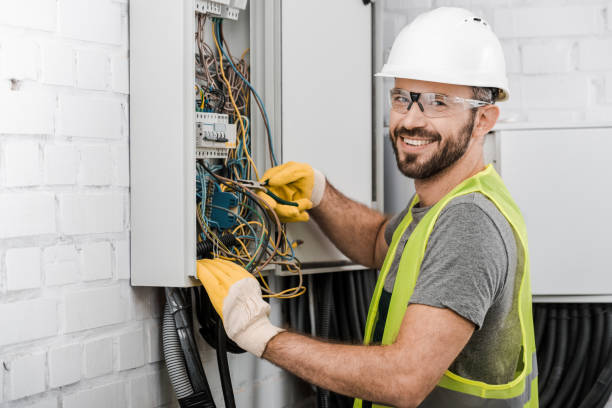
For a home battery connected into your home's fixed electrical installation, you should expect the connection to be carried out by a suitably qualified electrician.
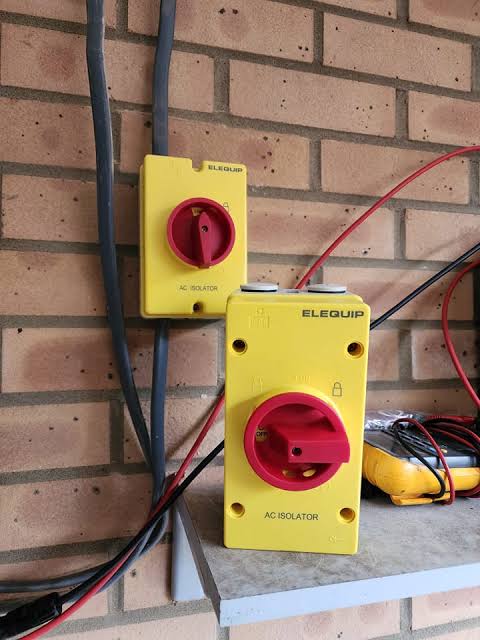
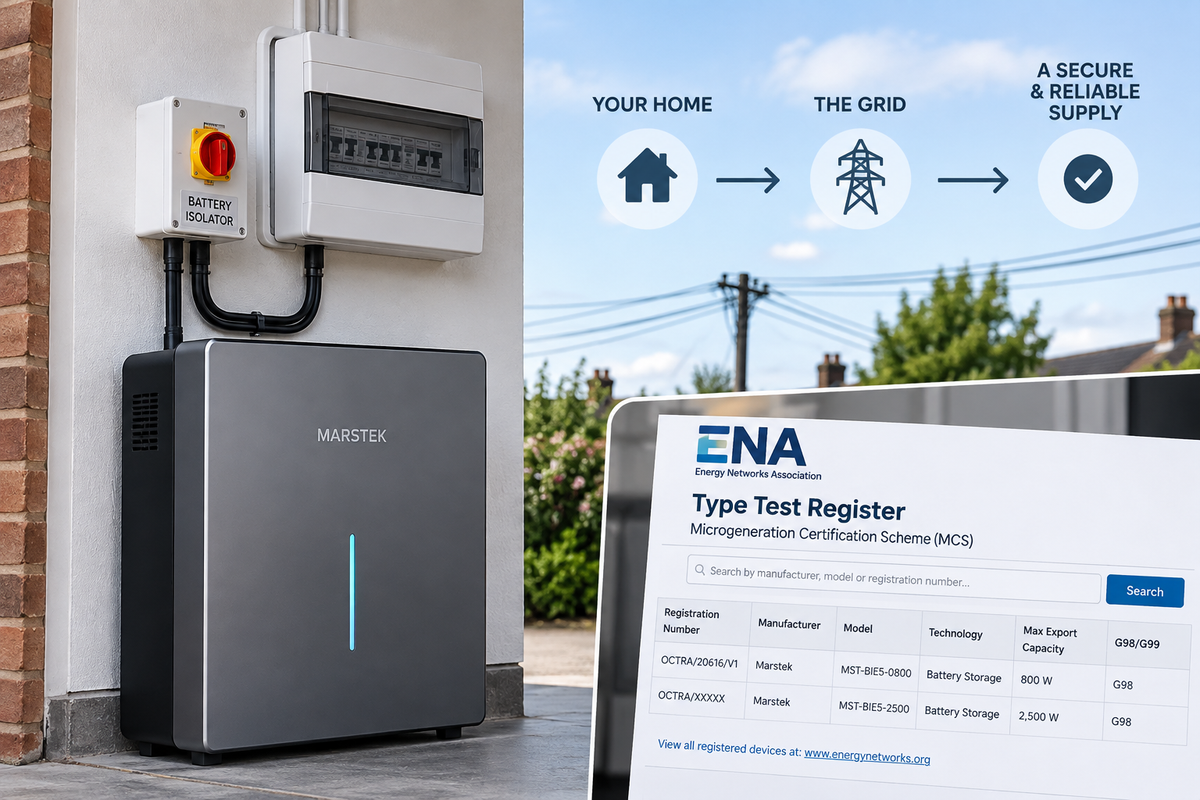
The battery needs a suitable means of isolation so that it can be safely disconnected from the home's electrical system when required, for example for maintenance or electrical work. The exact isolation and protection arrangements will depend on the battery, its configuration, the existing electrical installation and the manufacturer's instructions.
The electrician will also need to make sure the proposed connection is appropriate for your home's electrical installation and that the system is installed, tested and commissioned correctly.
Some home batteries can operate at different grid-connected power levels. Where the product and its approved configuration allow it, your installer may be able to configure the battery for a higher output.
For example, some systems may be supplied in an 800W configuration but have a separately approved higher-power configuration of up to 2,500W. The correct setting will depend on the exact model, installation and applicable DNO requirements.
In simple terms: the battery doesn't necessarily need its own dedicated circuit, but it does need to be connected safely with appropriate isolation and protection by someone who understands the system and UK electrical requirements.
03 — What Are G98 and G99?
G98 and G99 are UK engineering requirements that apply when electricity-generating equipment — including grid-connected battery storage — operates in parallel with the electricity network.
Which process applies depends on the equipment, its approved configuration and the amount of power it can export to the grid.
G98 — SMALLER SYSTEMS
G98 is generally the simpler route for smaller generation and battery systems that meet the relevant limits and use appropriately type-tested equipment.
For a single-phase home, the G98 limit is generally 16A per phase — approximately 3.68kW. Where the installation qualifies, the system can normally be installed first and the DNO notified afterwards within the required timeframe.
G99 — LARGER OR DIFFERENT SYSTEMS
If the installation falls outside the requirements for G98, G99 may apply instead. Unlike the standard G98 process, this can require an application to the DNO and approval before the system is connected.
This doesn't necessarily mean the battery itself is physically larger — it's the electrical characteristics and configuration of the installation that matter.
CHECK THE EXACT MODEL
Don't rely only on the product name. Battery manufacturers can have different approved versions or configurations of what appears to be the same product.
The exact model number and ENA type-test registration should be checked to confirm the approved grid-connected power and the relevant connection requirements.
G98 doesn't mean “800W”. A qualifying single-phase G98 installation can be considerably higher than 800W. The 800W figure relates to the new plug-in solar route, which is a separate framework.
04 — Do I Need to Notify My DNO?
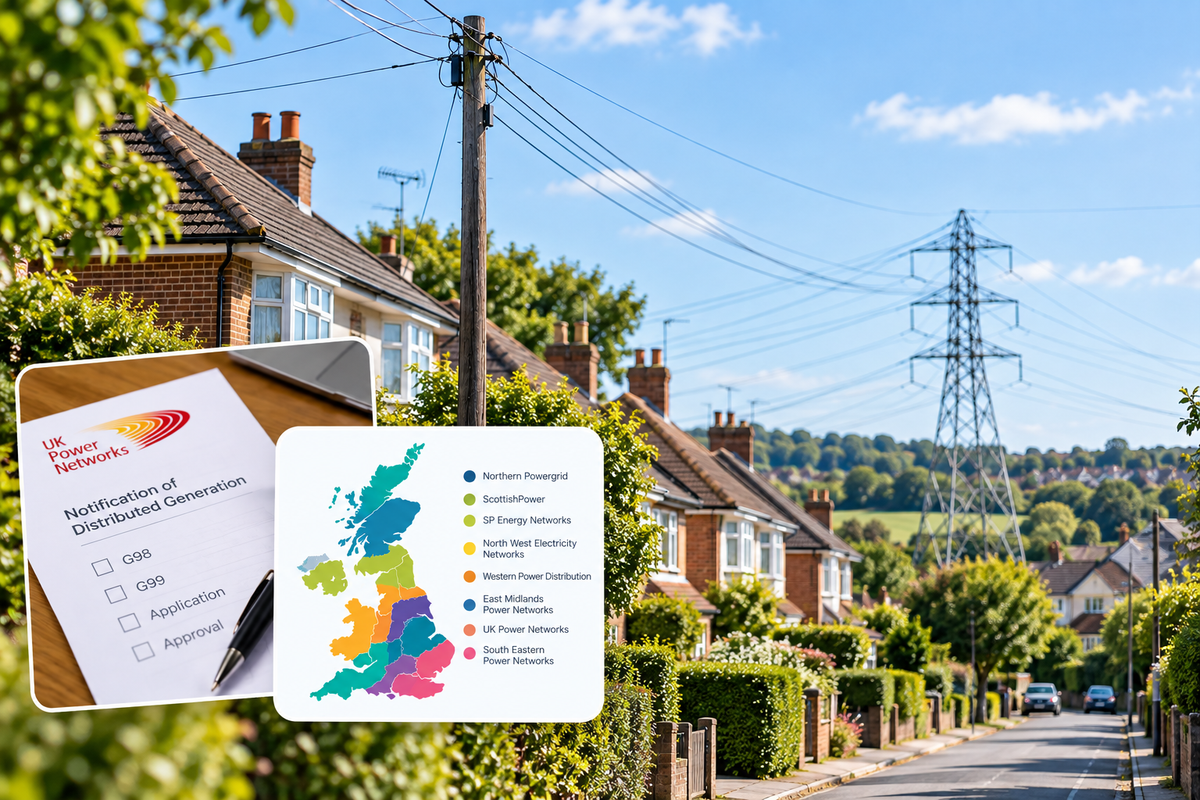
If your home battery operates in parallel with the electricity grid, your Distribution Network Operator (DNO) may need to be notified about the installation or, depending on the system, approve it before it is connected.
Your DNO is the company responsible for the electricity network in your area. It is not necessarily the company you buy your electricity from.
IF YOUR SYSTEM QUALIFIES FOR G98
For a qualifying G98 installation, the usual process is connect and notify. The equipment must meet the relevant G98 requirements, and the DNO is notified after commissioning — normally within 28 days.
IF G99 APPLIES
If the installation falls outside the G98 requirements, a G99 application may be required before the system is connected. Your installer can determine which process applies to the proposed battery and configuration.
YOUR INSTALLER CAN HANDLE THIS
For most customers, this shouldn't need to be complicated. A suitably competent installer can check the exact equipment, determine the appropriate G98/G99 route and complete the relevant DNO paperwork.
Before buying, check that the exact battery model and configuration you intend to install has the appropriate UK grid-connection documentation.
05 — What About Plug-In Solar?
Plug-in solar is now permitted in Great Britain through a specific route, making small-scale solar generation easier for households to access. However, the rules for plug-in solar and home battery storage are currently different.
PLUG-IN SOLAR — UP TO 800W
Qualifying plug-in solar systems can have a maximum AC output of 800W and must meet the requirements of the new plug-in solar framework.
Rather than following the conventional G98 process, qualifying systems use the dedicated plug-in solar registration route.
WHAT ABOUT BATTERIES?
The simplified plug-in solar route does not currently extend to battery storage systems that import electricity for storage.
This means that although some home batteries are designed and sold as plug-in systems elsewhere in Europe, a battery supplying electricity into a UK home's fixed electrical installation will typically still require an appropriate electrical connection and isolation, installed by a suitably qualified electrician.
COULD THIS CHANGE?
We hope so.
Plug-in battery storage is already available in parts of Europe, and we hope that UK regulations will develop to allow similarly straightforward battery installations in the future.
Until then, we'll continue to clearly explain the UK installation requirements for every battery we sell.
Plug-in solar and home battery storage aren't currently the same thing in the UK. Always check the installation requirements for the exact product you're buying.
Which Battery Setup Is Right for Your Home?
Use what you've learned to narrow down the type of battery storage that could suit your home and energy setup.