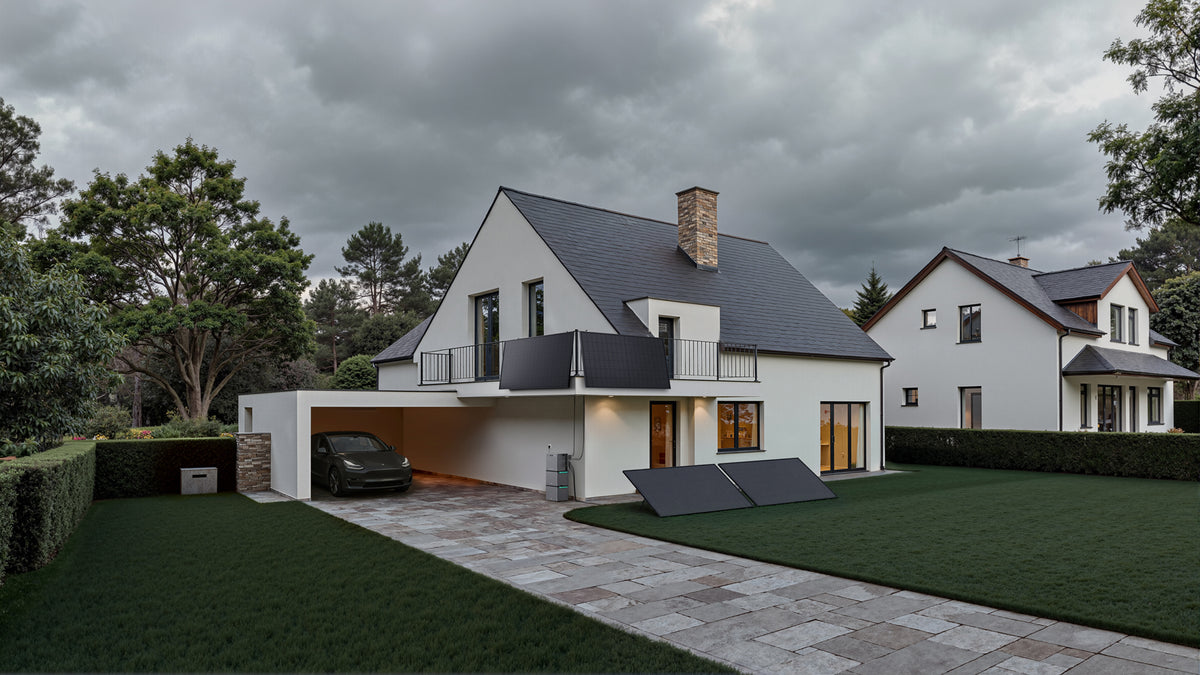
How Home Battery Storage Works
Home battery storage gives you greater control over how and when you use electricity. Store energy generated by your solar panels or charge your battery when grid electricity is cheaper, then use that stored energy when you need it. This guide explains how home batteries work, the different ways they can be used and how to choose the right setup for your home.
Where Does the Energy Come From?
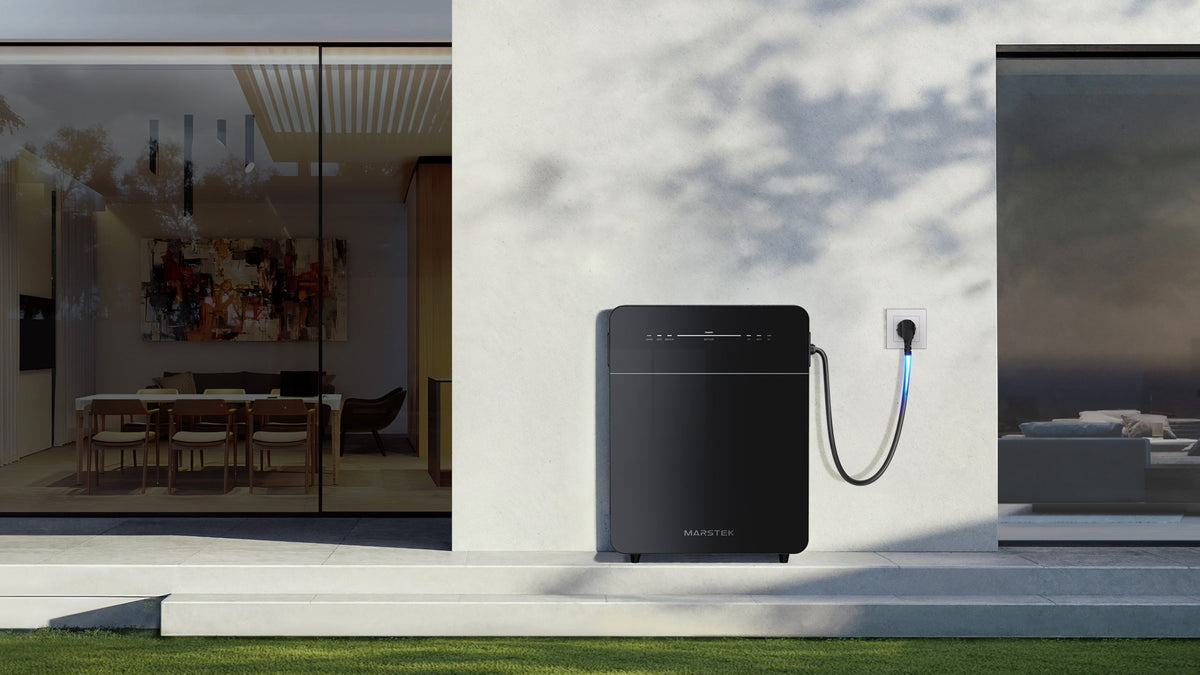
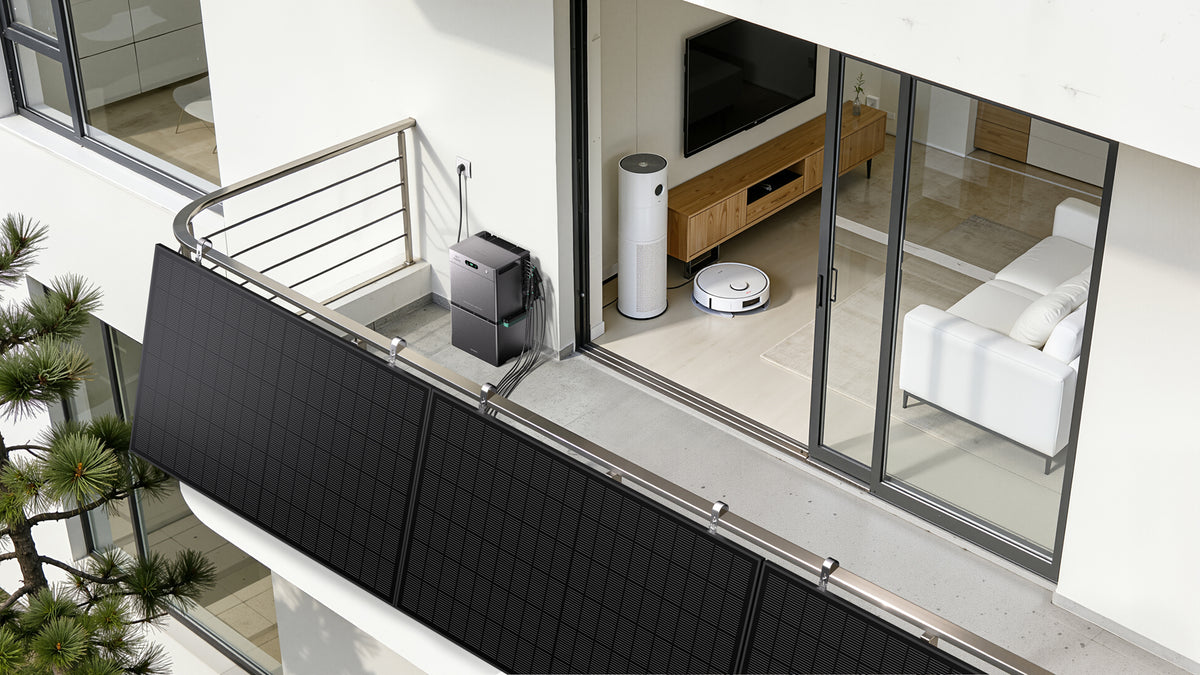
A home battery can be charged in different ways depending on the system you choose. You can store electricity generated by solar panels, charge from the grid when electricity is cheaper, or use a combination of both.
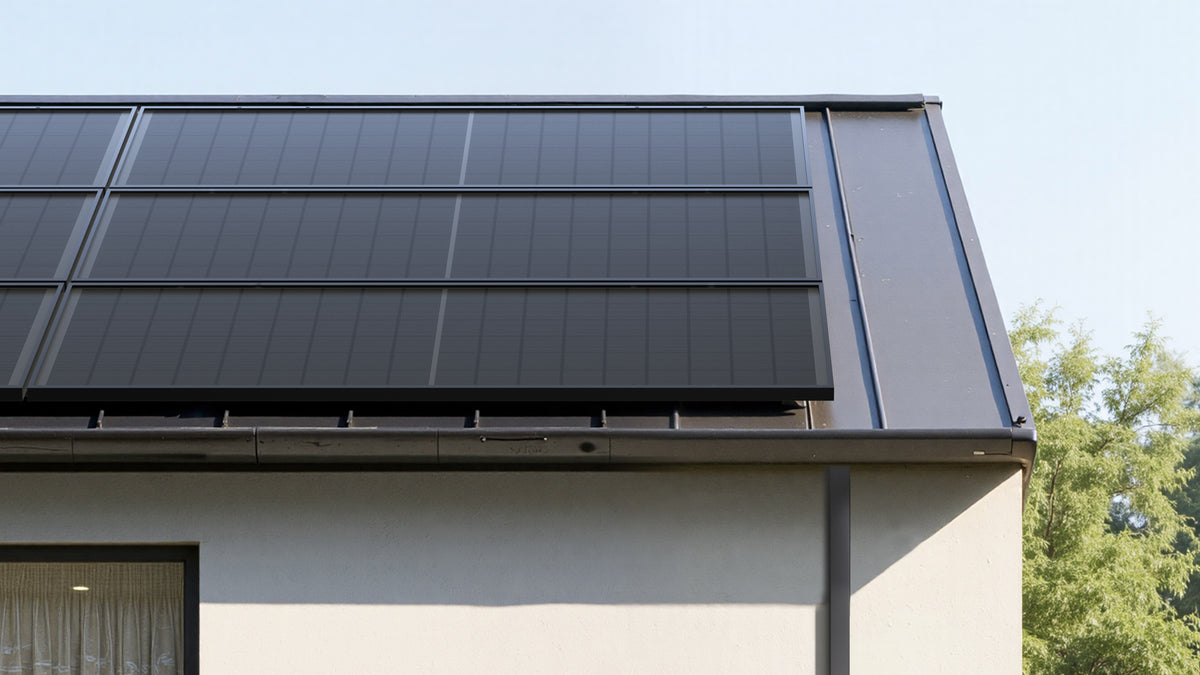
Store surplus electricity generated by your solar panels during the day and use it later, rather than exporting all of it to the grid.
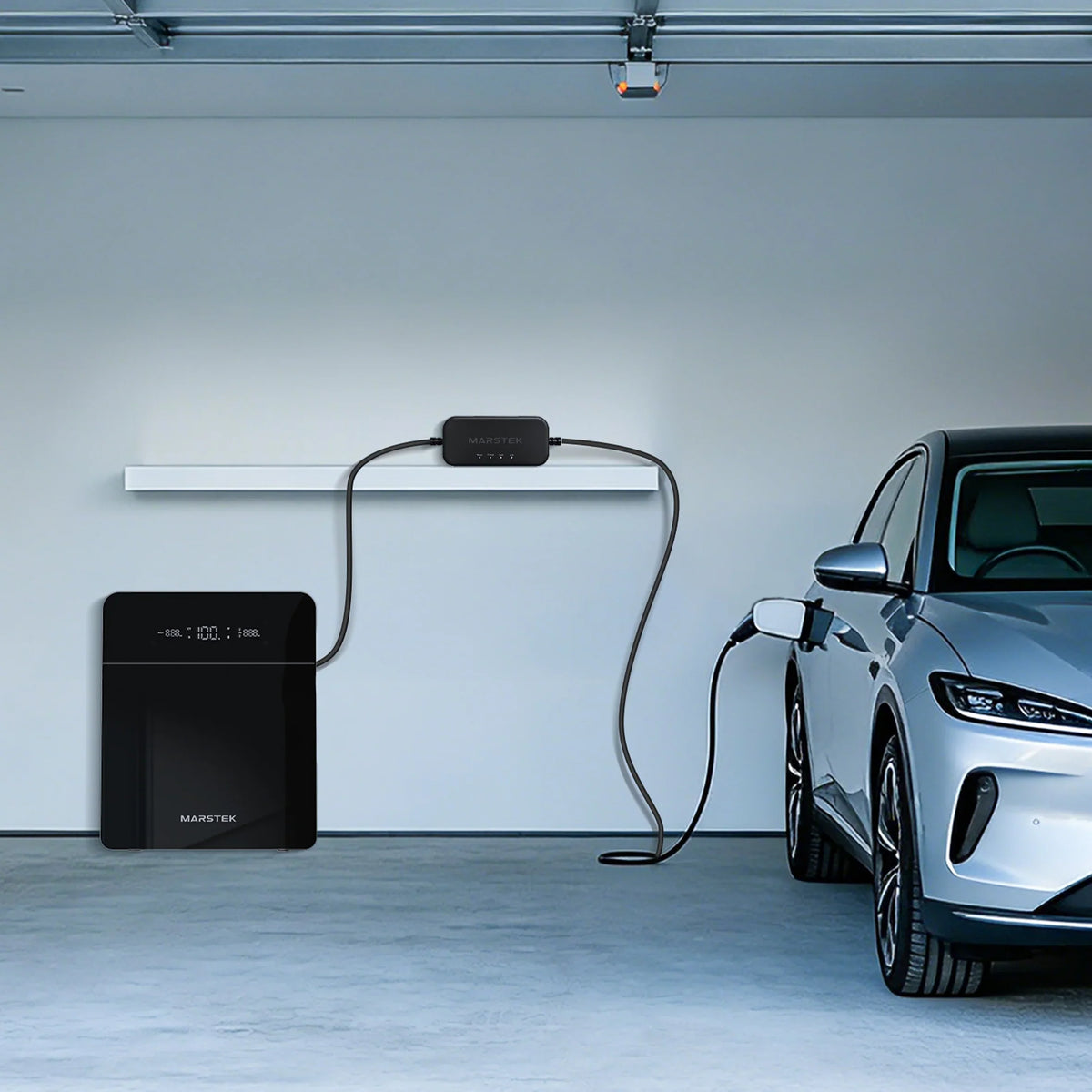
Charge your battery when grid electricity is cheaper, such as during off-peak periods, and use the stored electricity later when prices may be higher.
Which Type of Home Battery Is Right for Me?
Not all home batteries work in the same way. The right system depends on whether you already have solar, want to add solar, or simply want to store cheaper electricity from the grid.
Ideal for adding battery storage to an existing home energy setup. Charge from cheaper grid electricity or work alongside an existing solar PV system to store surplus solar energy for later.
These systems allow compatible solar panels to connect directly to the battery through built-in solar inputs, while many can also charge from the grid.

How Big a Home Battery Do I Need?
Battery capacity is measured in kilowatt-hours (kWh). Put simply, the higher the kWh capacity, the more electricity the battery can store for you to use later.
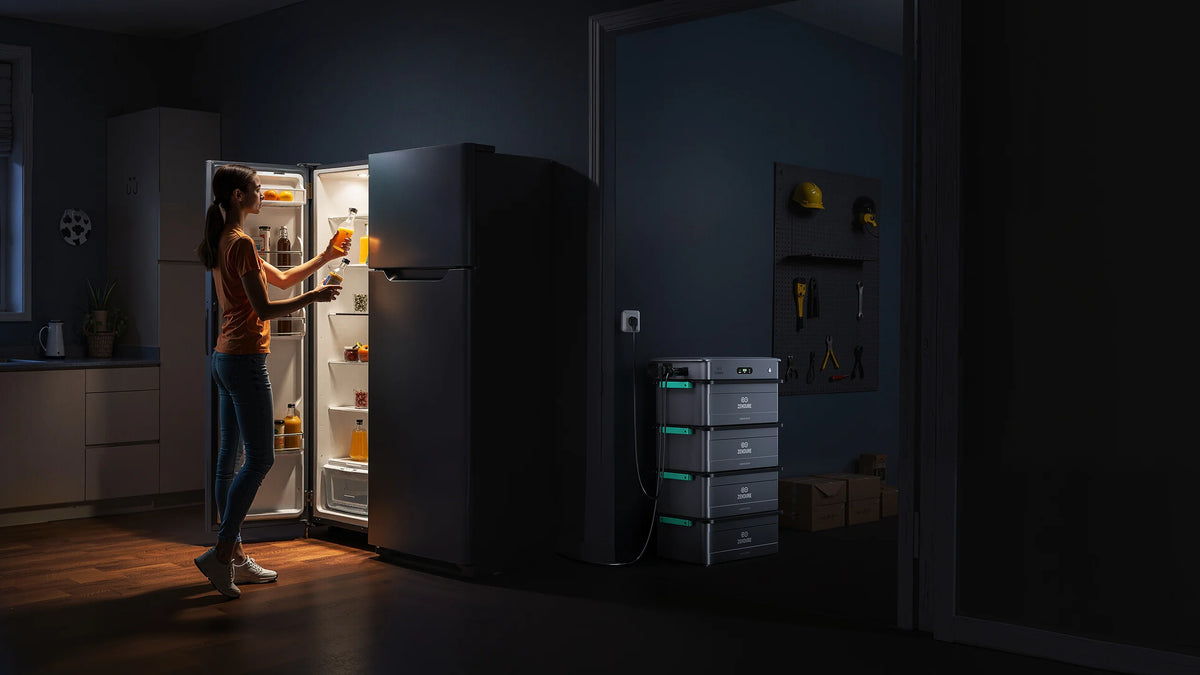
The right capacity depends on how much electricity your household uses and what you want your battery to do. A smaller battery may be suitable for storing cheaper electricity for part of the day, while a larger system can store more energy for evening and overnight use.
Some home batteries are also expandable, allowing you to start with a smaller capacity and add additional battery storage later as your energy needs change.
You don't necessarily need the biggest battery available — the aim is to choose a capacity that matches how your home actually uses energy.
How Much Power Can a Home Battery Deliver?
Battery capacity (kWh) tells you how much electricity a battery can store. Battery power (kW) tells you how quickly it can deliver that electricity to your home.
For example, a battery may store 5kWh of electricity, but its power output determines how much of your home's demand it can supply at any one time.
Higher-power appliances such as kettles, ovens and washing machines can create significant demand, particularly when several appliances are running together. A higher battery output can therefore allow more of your household demand to be supplied from stored energy rather than the grid.
However, bigger isn't always better. The right output depends on your household electricity use, how you intend to use the battery and how the system is installed and configured.
Think of it this way: kWh is the size of the tank; kW is how quickly the energy can come out.
Can a Home Battery Save Me Money?
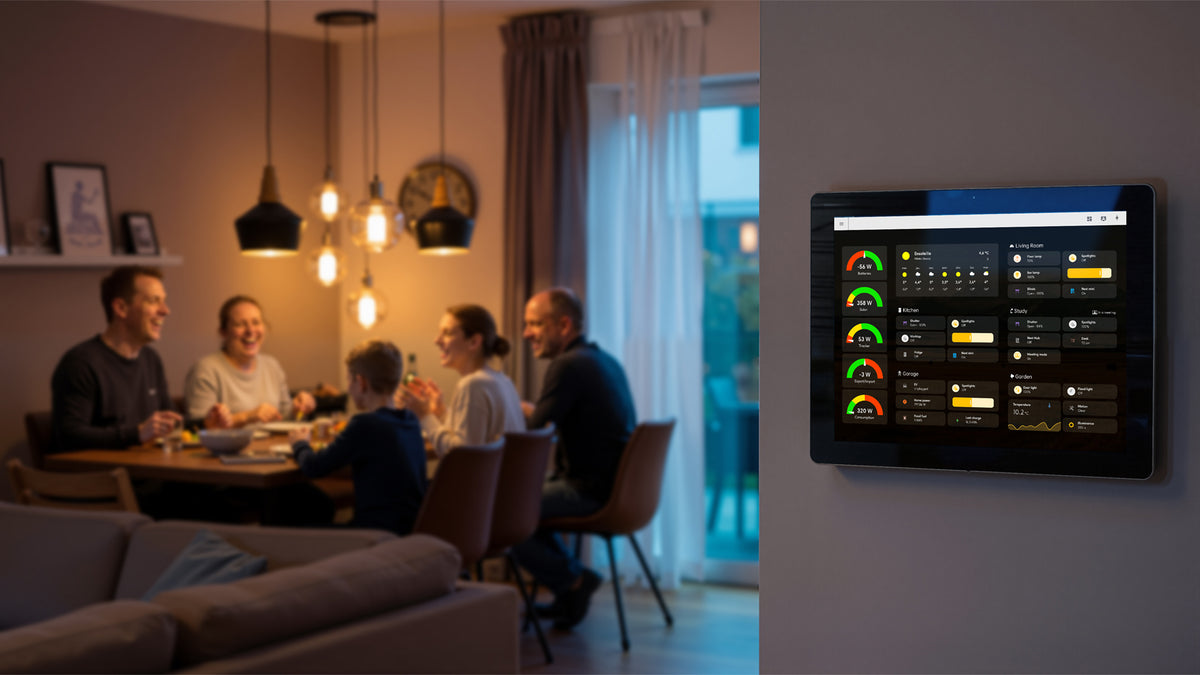
A home battery can help reduce electricity costs by giving you more control over when you buy electricity from the grid and when you use stored energy.
If you have solar panels, a battery can store surplus electricity generated during the day instead of exporting it straight to the grid. You can then use that stored electricity later, such as during the evening when your solar panels are generating less or nothing at all.
Even without solar panels, a battery can be useful with certain off-peak or smart electricity tariffs. You can charge the battery when electricity is cheaper and use the stored energy during more expensive periods.
How much you could save will depend on your electricity usage, tariff, battery size, solar generation and how the system is configured. There isn't a single savings figure that applies to every home.