Choosing the Right Home Battery
Choosing the right home battery depends on how much electricity you use, whether you have solar panels, and what you want your battery to achieve.
From storing surplus solar energy to charging with cheaper off-peak electricity, different battery systems suit different homes and energy needs. Battery capacity, power output, solar compatibility, expandability and installation requirements are all important factors to consider.
This guide will help you understand the different options and choose the right home battery storage system for your home.
01 — Do You Already Have Solar Panels?
Whether you already have solar panels is one of the first things to consider when choosing a home battery.
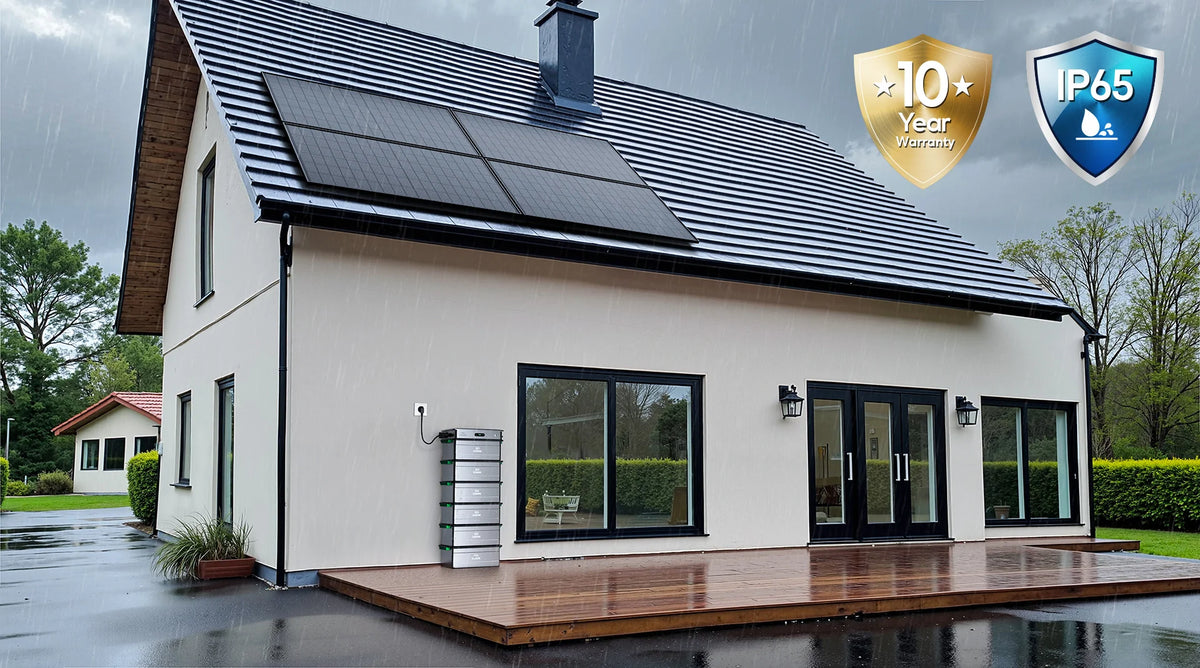
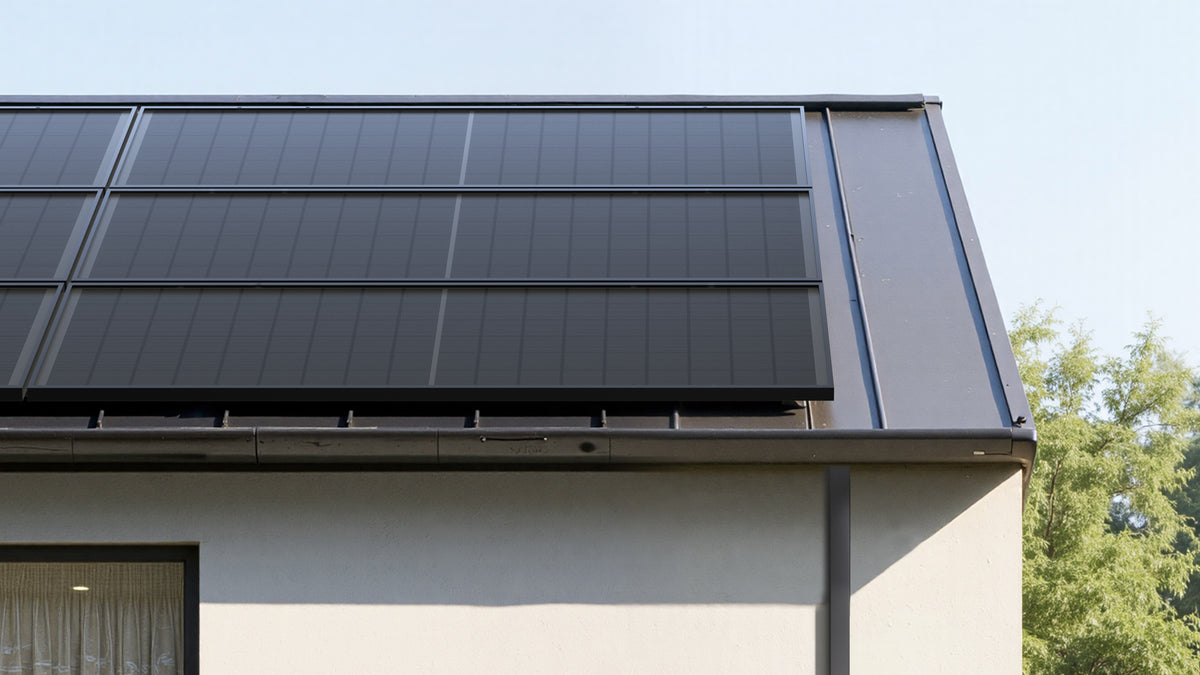
If you already have a solar PV system, an AC-coupled battery can be a straightforward way to add storage. It can work alongside your existing solar system, storing surplus electricity that would otherwise be exported to the grid so you can use it later.
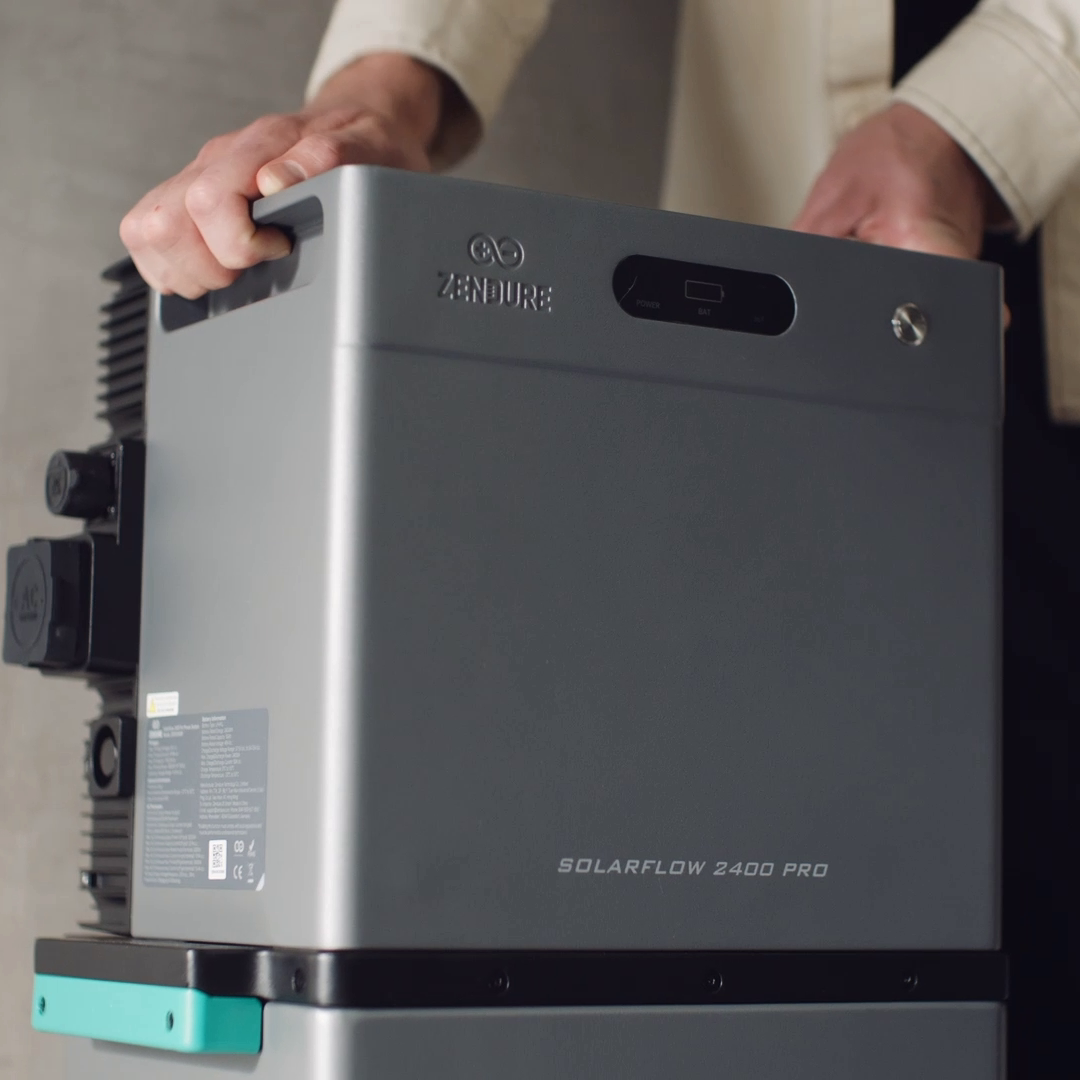
If you're planning to add solar panels as part of your new setup, you may want to consider a solar-input battery. These systems have built-in solar inputs, allowing compatible solar panels to connect directly to the battery system.
You don't need solar panels to benefit from home battery storage. A battery can be charged from the grid when electricity is cheaper, such as during off-peak periods, with the stored energy then available for use later.


02 — How Much Electricity Does Your Home Use?
Before choosing a battery size, it helps to understand how much electricity your home actually uses — and when you use it.
Your electricity bill or energy supplier app should show your annual electricity consumption in kilowatt-hours (kWh). Dividing this by 365 gives you a rough idea of your average daily electricity use.
But the total isn't the whole story. Think about when you use electricity too. If much of your consumption happens in the evening, a battery could store energy during the day or during cheaper off-peak periods and make it available when your household demand increases.
Don't size a battery on capacity alone. The aim is to find a system that matches the way your home actually uses electricity.
03 — What Size Battery Do You Need?
Battery capacity is measured in kilowatt-hours (kWh) and tells you how much electricity a battery can store. The right capacity depends on how much electricity your household uses, when you use it and what you want your battery to achieve.
SMALLER BATTERIES — AROUND 2–5kWh
A smaller battery may be suitable if you want to store a portion of your solar generation or charge with cheaper off-peak electricity for use later in the day.
MEDIUM BATTERIES — AROUND 5–10kWh
More capacity gives you greater flexibility to store energy for use later in the day or overnight. This may suit households with higher electricity consumption or those wanting to make greater use of their solar generation.
LARGER & EXPANDABLE SYSTEMS — 10kWh+
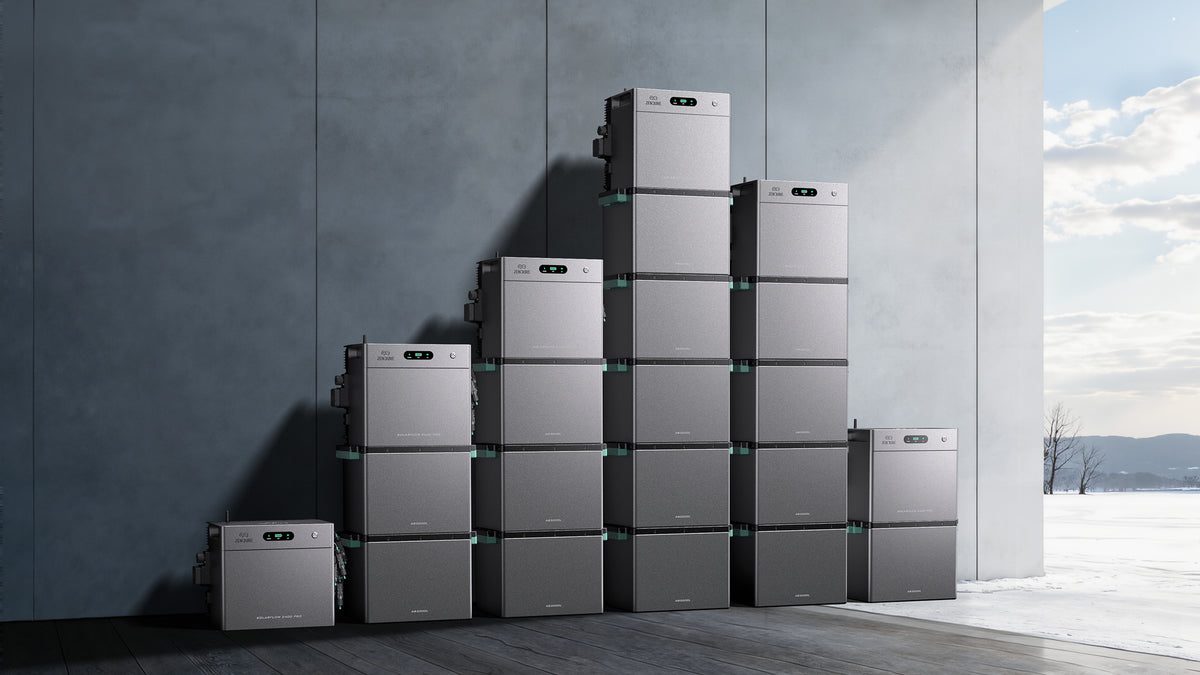
Homes with higher electricity demand may benefit from greater storage capacity. Some battery systems are also expandable, allowing you to start with a smaller capacity and add additional storage later if your needs change.
The biggest battery isn't necessarily the best battery. The aim is to choose enough storage for the energy you can realistically charge and use.
04 — How Much Power Does Your Battery Need to Deliver?
Two batteries can have the same storage capacity but deliver that energy at very different rates. That's why it's important to consider a battery's power output (kW) as well as its capacity (kWh).
THINK ABOUT WHAT'S RUNNING AT THE SAME TIME
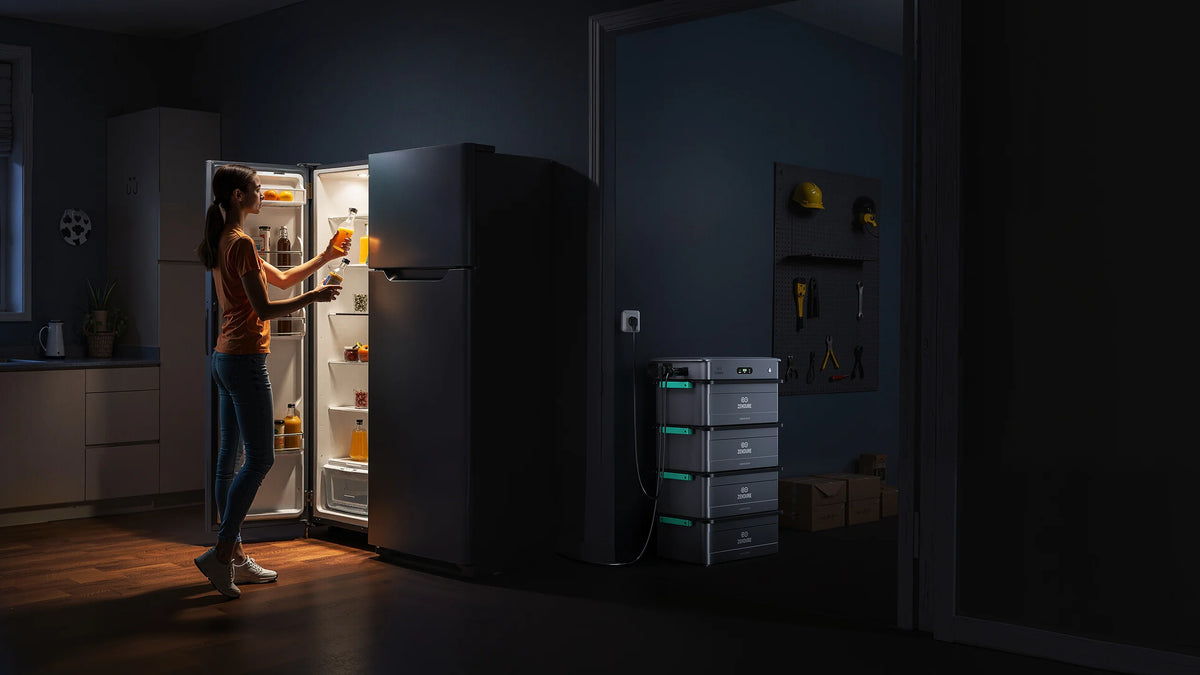
Appliances such as kettles, ovens, washing machines and tumble dryers can create significant electricity demand. When several appliances are running together, your home's power demand can quickly increase.
WHY OUTPUT MATTERS
A higher battery output can allow more of your home's demand to be supplied from stored energy at the same time. If household demand exceeds what the battery can provide, the additional electricity will normally be drawn from the grid.
MORE POWER ISN'T ALWAYS BETTER
The right output depends on your household electricity use, what you want the battery to achieve and how the system is installed and configured. There's little benefit in choosing a higher-output system simply because the number is bigger.
Capacity (kWh) tells you how much energy the battery can store. Power (kW) tells you how quickly it can deliver that energy.
05 — Which Features Matter to You?
SMART TARIFFS & APP CONTROL
Look for systems that allow you to schedule charging and discharging around your electricity tariff. Good app control can also make it easier to monitor your battery, household consumption and energy flows.
EXPANDABLE STORAGE
Your energy needs may change. An expandable battery system allows you to add additional storage later rather than replacing the whole system.
BACKUP POWER
Some batteries can provide backup power during a power cut, but this varies between systems and may require additional equipment or a particular installation configuration. Check exactly what backup functionality is supported.
WARRANTY & BATTERY LIFE
Consider the manufacturer's warranty, expected cycle life and battery chemistry. Most modern home batteries use long-life LiFePO₄ (LFP) battery technology, but warranty terms can differ significantly between manufacturers.
INSTALLATION & COMPATIBILITY
Finally, make sure the battery is suitable for your home, existing solar system and intended installation. Grid-connected battery systems may also be subject to UK electrical and DNO requirements.
Don't choose on one specification alone. The best battery is the one whose capacity, power, features and installation requirements best match your home.
Which Battery Setup Is Right for Your Home?
Use what you've learned to narrow down the type of battery storage that could suit your home and energy setup.